Sweet Boba: A Handwritten Font That Brings Charm to Crafted Goods
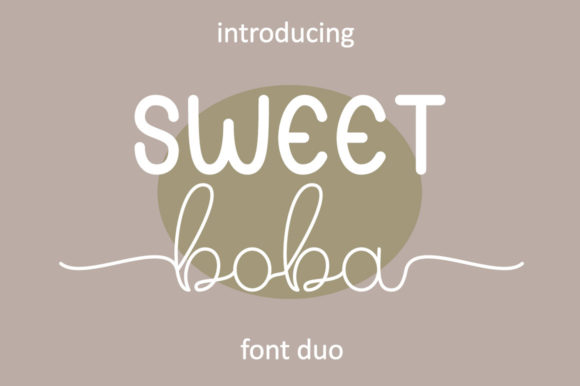
As I sat down to design a new set of candle labels for my seasonal lavender collection, I found myself reaching for a font that felt both personal and polished. That’s when I opened up Sweet Boba for the first time. The soft, flowing curves and playful rhythm of this duo handwritten font immediately caught my eye. It wasn’t just legible—it felt like a signature, a story told in ink and intention.
Sweet Boba is a Script Amp font designed with harmony in mind. Its two complementary styles work beautifully together, creating a visual balance that’s ideal for small text blocks and standout titles alike. Whether you're crafting boutique tags, printing planner pages, or designing digital wall art, this font adds a layer of warmth and authenticity that machine-printed typefaces often miss.
I first used Sweet Boba on a set of greeting cards for a friend’s bridal shower. I paired the main script with a clean sans serif for the supporting text, and the result was stunning. The contrast between the elegant cursive and the minimalist font made the design feel intentional and modern. The ligatures and swashes gave the text a natural flow, while the PUA encoding made it easy to access special characters without switching programs or panels.
Bringing Sweet Boba Into Product Design
When I designed a line of holiday cookie tags last year, I knew I wanted a font that felt handmade but still professional. Sweet Boba was perfect for the job. I used it for the main wording on each tag—“Sprinkle Joy,” “Peppermint Dreams,” and “Gingerbread Magic”—and paired it with a simple serif font for the ingredient lists. The result? Tags that looked like they were written by hand but still had a clean, shop-ready finish.
One of the best features of Sweet Boba is its versatility across mediums. I’ve used it for:
- Wedding invitations – The soft, romantic style adds elegance to RSVP cards and save-the-dates.
- Printable wall art – From minimalist quotes to nursery name signs, this font adds a personal touch.
- Sticker sheets – Whether for planners or laptops, Sweet Boba remains readable even at small sizes.
- Digital downloads – Designers love how it renders on mockups and templates for Etsy and Creative Market.
Why Sweet Boba Works for Makers and Sellers
If you’re selling on Etsy or creating digital design kits, brand consistency is key. Sweet Boba helps maintain a cohesive look across your product line. I use it across my shop banners, packaging labels, and social media graphics. It’s not just a font—it’s part of my brand identity now.
Its charm lies in its texture and motion. The strokes aren’t perfectly uniform, which gives it that real, human feel. It works especially well for short phrases, names, and decorative text rather than long paragraphs. That makes it ideal for product names, boutique tags, and branding headers.
When I printed a set of welcome signs for a local wedding venue, I used Sweet Boba for the couple’s names and the event date. The font’s natural flow made the signs feel like they were part of the décor rather than just signage. I even used it on tote bags for a custom bridal party gift set, and the results were lovely—soft, readable, and perfectly suited for embroidery and vinyl cutting.
Design Tips for Using Sweet Boba
If you’re using Sweet Boba with a cutting machine like Cricut or Silhouette, keep a few things in mind:
- Always check the spacing between letters—some ligatures might need slight adjustments for clean cuts.
- Use it for text that doesn’t require tight line spacing. It shines best when it can breathe.
- For small stickers or tags, avoid using the more elaborate swashes unless you’re working with a larger size.
- Pair it with a simple font like a sans serif or light serif to create contrast and balance in your layout.
Another thing I’ve learned is that file format matters. Make sure you’re using the correct version of Sweet Boba depending on your software. Some design tools work better with OTF, while others prefer TTF. And if you’re selling physical products or digital printables, always double-check the licensing—Sweet Boba is PUA encoded and typically comes with commercial use rights, but it’s good to confirm before launching your product.
Real-World Examples of Sweet Boba in Action
I recently helped a local baker design labels for her new line of honey jars. We used Sweet Boba for the product name and a bolder script for the flavor descriptions. The font gave the label a soft, artisanal feel that matched the brand’s natural aesthetic.
Another favorite project was a set of printable planner pages. I used Sweet Boba for the monthly headers and paired it with a thin sans serif for the calendar grids. The combination made the pages feel both functional and fun—perfect for bullet journaling and digital planners.
For holiday tags, I used Sweet Boba to write names and short messages like “Merry Everything” and “Joy to the Treetops.” The font’s warmth made the tags feel personal, and the PUA-encoded glyphs allowed me to add little flourishes without extra effort.
Final Notes on Sweet Boba
Sweet Boba isn’t just another script font—it’s a design tool that brings personality and professionalism to handmade products. Whether you're creating digital printables, wedding stationery, or boutique packaging, this font adds a touch of charm that connects with your audience on a deeper level.
Its readability, flexibility, and expressive style make it a go-to choice for crafters, sellers, and designers who want their work to feel both unique and polished. If you’re looking to elevate your product designs with a font that feels like a handwritten note from a friend, Sweet Boba might just be your new favorite typeface.